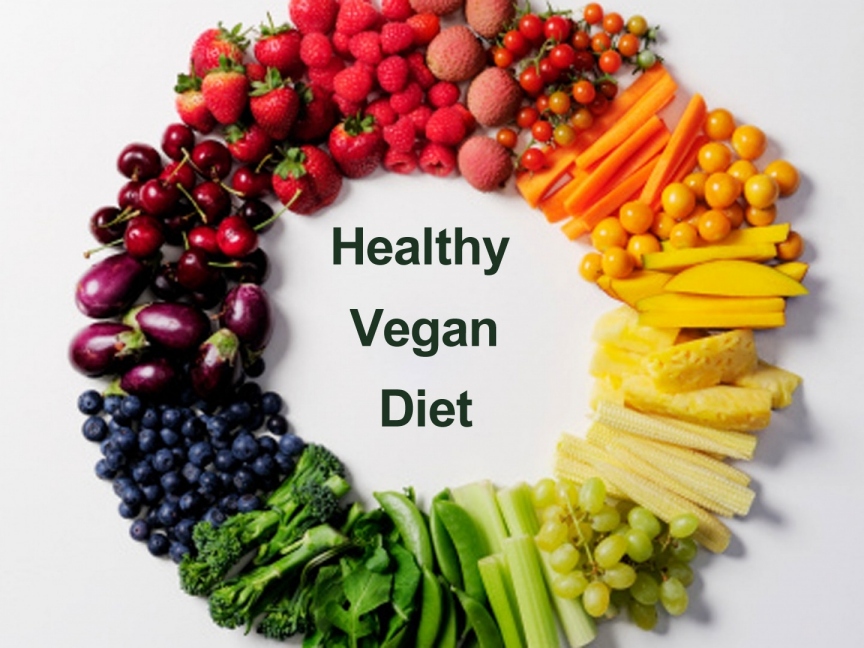
It is important to maintain a healthy diet but this is particularly true for Vegans. Here we try to help solve the problems
of maintaining a healthy diet.
Keeping a Balance
One of the first questions most vegans ask and are asked is "where do you get your protein?"
The answer is easy, there are a wide range of sources for protein in a plant based diet. I have listed a few of the main options but this is by no means a complete list I am happy to say.
Quinoa
Buck wheat
Soya
Pulses and Beans
Brown Rice
Peanut Butter
Tofu
Seitan
Spinach
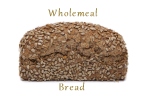
Wholemeal Bread
Textured Vegetable Protein
I have listed some of the most important vitamins, their effect on our body and their sources below:
Calcium helps build and maintain strong teeth and bones. Dark green vegetables, such as turnip and collard greens, kale and broccoli, are good plant sources when eaten in sufficient quantities. Calcium-enriched and fortified products, including juices, cereals, soy milk, soy yogurt and tofu, are other options.
Iodine is a component in thyroid hormones, which help regulate metabolism, growth and function of key organs. Vegans may not get enough iodine and be at risk of deficiency and possibly even a goiter. In addition, foods such as soybeans, cruciferous vegetables and sweet potatoes may promote a goiter. However, just 1/4 teaspoon of iodized salt provides a significant amount of iodine.
Iron is a crucial component of red blood cells. Dried beans and peas, lentils, enriched cereals, whole-grain products, dark leafy green vegetables and dried fruit are good sources of iron. As iron isn't as easily absorbed from plant sources, the recommended intake of iron for vegetarians is almost double that recommended for nonvegetarians. To help your body absorb iron, eat foods rich in vitamin C, such as strawberries, citrus fruits, tomatoes, cabbage and broccoli, at the same time as you're eating iron-containing foods.
Omega-3 fatty acids are important for heart health. Diets that do not include fish and eggs are generally low in active forms of omega-3 fatty acids. Canola oil, soy oil, walnuts, ground flaxseed and soybeans are good sources of essential fatty acids. However, because conversion of plant-based omega-3 to the types used by humans is inefficient, you may want to consider fortified products or supplements, or both.
Vitamin B-12 is necessary to produce red blood cells and prevent anaemia. You can find this in Brewer's or nutritional yeast, foods fortified with B12 (including some plant milks, some soy products and some breakfast cereals)
Vitamin D plays an important role in bone health. Vitamin D is added to some brands of soy and rice milk, and some cereals and margarines. Be sure to check food labels. If you don't eat enough fortified foods and have limited sun exposure, you may need a vitamin D supplement (one derived from plants).
Zinc is an essential component of many enzymes and plays a role in cell division and in formation of proteins. Like iron, zinc is not as easily absorbed from plant sources as it is from animal products. Cheese is a good option if you eat dairy products. Plant sources of zinc include whole grains, soy products, legumes, nuts and wheat germ.
I find it a good idea to have your blood checked for vitamins, every six months for the first year of becoming vegan then annually, just to keep ahead of any deficiencies. if you feel a little unwell, are pregnant or have always done so, a daily vegan vitamin supplement can be used in conjunction with your healthy diet. Always check with your doctor before taking any medicines of course, just in case.
Don't forget that exercise, plenty of fluids and rest are also a part of healthy living, so don't over do it, don't forget to take a brisk walk in the sunshine and then relax and enjoy your new way of life!